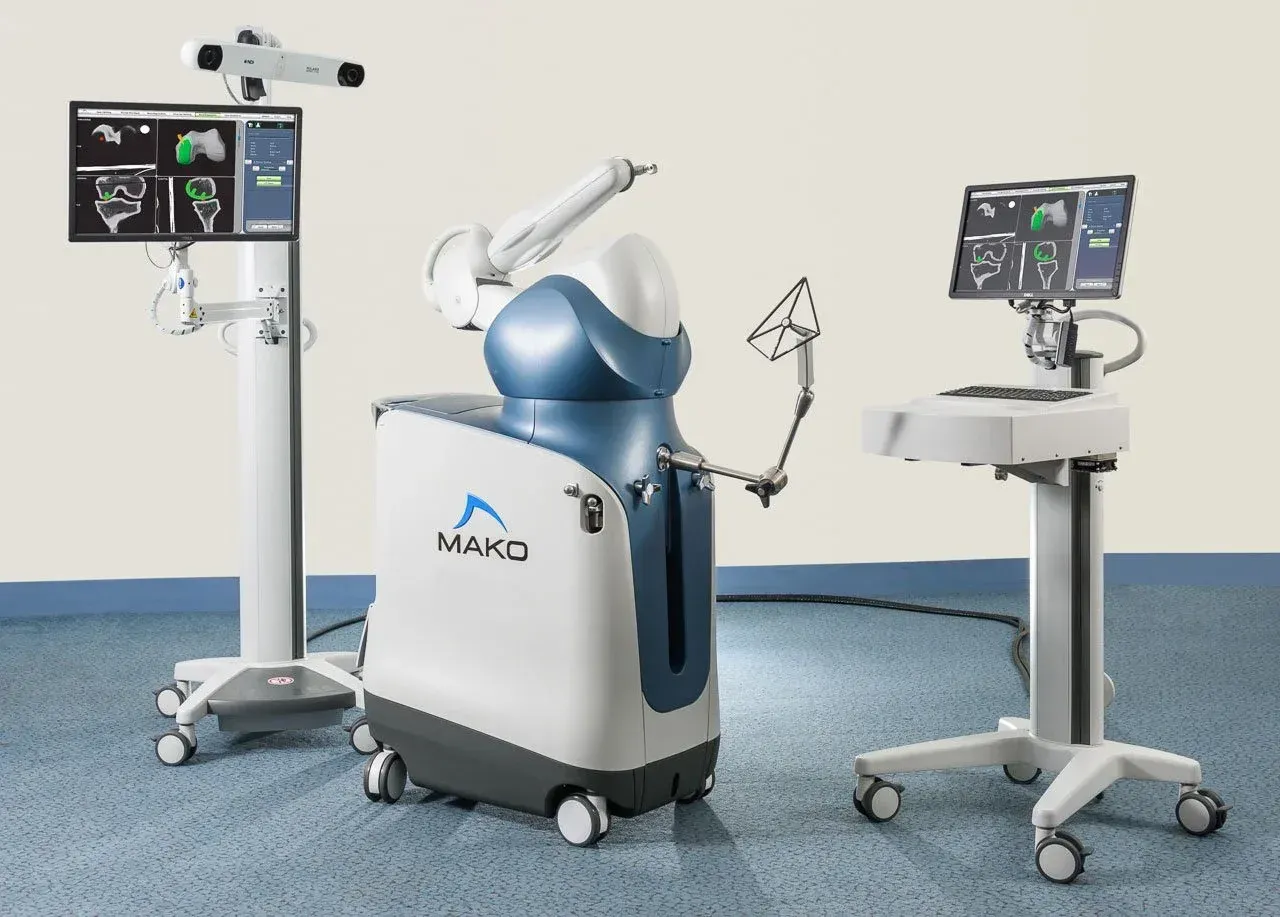
Knee replacement surgery is one of the most successful treatments for patients suffering from severe knee arthritis. As technology continues to advance, robotic-assisted knee replacement is becoming increasingly popular across Teesside and the wider North East.
Many patients ask whether robotic knee replacement is better than traditional knee replacement surgery and whether the technology offers significant advantages.
Understanding the differences can help patients make informed decisions about their treatment options.
What Is Robotic Knee Replacement?
Robotic knee replacement uses advanced computer-assisted technology to help the surgeon plan and perform the procedure with a high degree of precision.
Before surgery, detailed imaging allows the surgeon to create a personalised surgical plan based on the patient's individual anatomy.
During the operation, robotic technology assists the surgeon with implant positioning and alignment while maintaining complete surgeon control throughout the procedure.
The robotic system does not perform the surgery independently. It is a tool used by the surgeon to enhance precision and planning.
Traditional Knee Replacement Surgery
Traditional knee replacement remains a highly successful and effective procedure for treating advanced arthritis.
During conventional surgery, the surgeon uses specialised instruments and clinical expertise to remove damaged joint surfaces and position the replacement components.
Millions of patients worldwide have benefited from traditional knee replacement surgery with excellent long-term outcomes.
Potential Benefits of Robotic-Assisted Surgery
Robotic technology may offer several potential advantages for selected patients.
These may include:
- More precise implant positioning
- Improved joint alignment
- Better soft tissue balancing
- Greater surgical consistency
- Improved personalised planning
- Enhanced accuracy during surgery
The aim is to create a knee that feels stable, comfortable and functions as naturally as possible.
Does Robotic Surgery Mean Faster Recovery?
Recovery depends on many factors, including:
- Overall health
- Severity of arthritis
- Fitness before surgery
- Rehabilitation commitment
- Surgical technique
While some studies suggest robotic-assisted surgery may contribute to improved early recovery for certain patients, individual outcomes can vary.
Modern enhanced recovery programmes remain one of the most important factors in achieving successful results.
Who Might Benefit From Robotic Knee Replacement?
Robotic-assisted surgery may be considered for patients experiencing:
- Severe knee arthritis
- Persistent knee pain
- Reduced mobility
- Difficulty walking
- Pain affecting sleep
- Failure of non-surgical treatments
A specialist assessment can help determine the most appropriate treatment approach.
Recovery After Robotic Knee Replacement
Most patients begin mobilising shortly after surgery.
Recovery typically includes:
- Early walking
- Physiotherapy exercises
- Strength rehabilitation
- Gradual return to daily activities
Many patients notice improvements in pain, mobility and overall quality of life during the weeks and months following surgery.
Selected patients may also be suitable for modern day-case knee replacement pathways.
Why Patients Across Teesside Seek Modern Knee Replacement Options
Patients from Stockton-on-Tees, Darlington, Middlesbrough, Hartlepool and surrounding areas increasingly seek information about robotic-assisted knee replacement surgery.
As awareness of modern orthopaedic technology grows, many patients are interested in understanding how robotic assistance may contribute to surgical precision and recovery.
Frequently Asked Questions
Is robotic knee replacement safer than traditional surgery?
Both robotic-assisted and traditional knee replacement are well-established procedures. Suitability depends on individual circumstances and should be discussed during consultation.
Does the robot perform the operation?
No. The surgeon performs the operation. The robotic system provides planning and guidance throughout the procedure.
How long does recovery take?
Recovery varies between patients, but many individuals continue improving for several months after surgery.
Can I return to normal activities after surgery?
Most patients return to walking, travel, gardening, golf and other low-impact activities following successful recovery.
Final Thoughts
Robotic-assisted knee replacement represents an exciting development in modern orthopaedic surgery. For suitable patients across Teesside and the North East, the technology may help improve surgical precision and support successful outcomes.
Patients experiencing ongoing knee pain or arthritis symptoms should seek specialist advice to explore the most appropriate treatment options available.
How Long Does Knee Replacement Recovery Take?
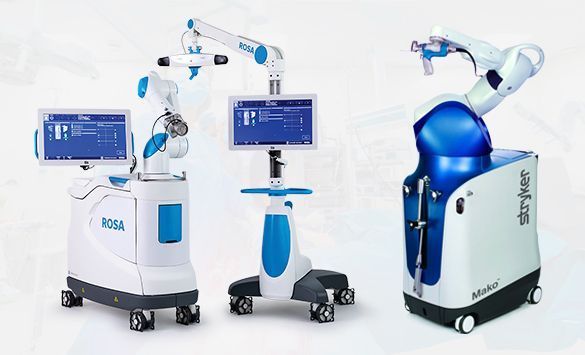
One of the most common questions patients ask before undergoing knee replacement surgery is, "How long will recovery take?"
Although every patient's recovery is different, understanding the typical recovery timeline can help reduce anxiety and allow patients to prepare for surgery with realistic expectations.
Patients across Teesside, Stockton-on-Tees, Darlington and the wider North East are increasingly benefiting from modern surgical techniques and enhanced recovery programmes that support earlier mobilisation and a quicker return to everyday activities.
What Happens Immediately After Knee Replacement Surgery?
Following surgery, patients are encouraged to begin moving as soon as it is safe to do so.
In most cases, physiotherapy starts on the day of surgery or the following morning.
Early mobilisation helps to:
- Improve circulation
- Reduce the risk of blood clots
- Restore joint movement
- Build confidence when walking
- Support a smoother recovery
Selected patients may even be suitable for day-case knee replacement surgery, allowing them to return home on the same day.
Recovery During the First Two Weeks
The first two weeks focus on controlling pain, reducing swelling and gradually increasing mobility.
Patients are encouraged to:
- Walk short distances regularly
- Complete prescribed physiotherapy exercises
- Use walking aids if required
- Keep the knee moving throughout the day
- Rest between activities
It is normal to experience some swelling, stiffness and discomfort during this period.
Recovery Between Two and Six Weeks
During the following month, many patients notice steady improvements.
Common milestones include:
- Walking longer distances
- Improved knee movement
- Less reliance on walking aids
- Better sleep
- Increased confidence with everyday activities
Many patients are able to resume light household activities and short outings during this stage of recovery.
Recovery After Three Months
By three months, most patients experience significant improvements in pain and function.
Many people return to activities such as:
- Walking for exercise
- Gardening
- Travelling
- Golf
- Low-impact gym exercises
- Spending more time with family and friends
Recovery continues beyond three months, with improvements often seen for up to a year after surgery.
What Can Help You Recover Faster?
Every patient's recovery is unique, but several factors can support a successful outcome.
Helpful tips include:
- Following your physiotherapy programme
- Staying active without overdoing it
- Managing swelling with elevation and ice when advised
- Eating a healthy, balanced diet
- Maintaining a healthy body weight
- Attending follow-up appointments
- Asking for advice if you have concerns during recovery
Modern Approaches to Knee Replacement
Orthopaedic surgery has advanced considerably over recent years.
Many patients now benefit from:
- Robotic-assisted knee replacement
- Personalised surgical planning
- Enhanced recovery programmes
- Modern pain management techniques
- Earlier mobilisation after surgery
These developments aim to improve patient experience and support a safe recovery.
Frequently Asked Questions
When can I walk after knee replacement surgery?
Most patients begin walking with physiotherapy support on the day of surgery or the following day, depending on their individual circumstances.
How long will I need physiotherapy?
Physiotherapy usually continues for several weeks after surgery, although the exact duration varies between patients.
When can I drive again?
The timing depends on which knee has been replaced, your recovery progress and whether you can safely perform an emergency stop. Your surgeon will advise you when it is appropriate to return to driving.
Will my new knee feel completely normal?
Most patients experience a significant improvement in pain and function. However, it is normal for the knee to feel different from a natural joint, particularly during the early stages of recovery.
Final Thoughts
Recovering from knee replacement surgery is a gradual process, but modern surgical techniques and rehabilitation programmes allow many patients to return to an active and independent lifestyle.
For patients across Teesside, Stockton-on-Tees, Darlington, Durham and the wider North East, understanding the recovery journey can help build confidence and ensure realistic expectations before surgery.
If knee arthritis is limiting your mobility or affecting your quality of life, seeking specialist advice is the first step towards exploring the most appropriate treatment options.
Hip Replacement Recovery: What Patients Can Expect

Hip replacement surgery is one of the most successful operations performed in modern orthopaedics.
For many patients across Stockton, Darlington, Durham and Teesside, hip replacement can significantly reduce pain and improve mobility.
Understanding recovery expectations can help patients prepare both physically and mentally.
Why Do Patients Need Hip Replacement Surgery?
Hip replacement is commonly recommended for:
- Osteoarthritis
- Hip stiffness
- Chronic hip pain
- Reduced mobility
- Difficulty walking
- Pain affecting sleep or daily activities
When physiotherapy, medications and injections are no longer effective, surgery may become the best option.
What Happens After Surgery?
Most patients begin walking on the same day as surgery.
Modern enhanced recovery pathways help patients mobilise early and recover faster.
Some suitable patients may even return home on the same day through day-case hip replacement programmes.
Recovery Timeline
First Few Days
Patients typically:
- Walk with support
- Begin exercises
- Manage swelling and discomfort
- Increase mobility gradually
First 6 Weeks
Many patients notice:
- Reduced pain
- Improved walking
- Better sleep
- Increased independence
3 Months and Beyond
Most patients continue improving for several months after surgery.
Many return to:
- Golf
- Walking
- Gardening
- Travel
- Low-impact exercise
Tips for Faster Recovery
Helpful recovery strategies include:
- Following physiotherapy advice
- Maintaining mobility
- Staying active safely
- Managing weight
- Eating a healthy diet
- Following post-operative instructions carefully
Choosing a Hip Replacement Surgeon in the North East
Patients searching for a hip replacement surgeon in Darlington, Durham or Stockton-on-Tees should look for:
- Specialist hip surgery expertise
- Modern surgical techniques
- Enhanced recovery experience
- Strong patient feedback
- Robotic surgery experience where appropriate
Final Thoughts
Hip replacement surgery can dramatically improve quality of life for patients suffering from severe hip pain.
With modern techniques and enhanced recovery pathways, many patients are now recovering faster than ever before.
Signs You May Need Knee Replacement Surgery

Knee arthritis can gradually affect mobility, comfort and quality of life. Many patients initially manage symptoms with physiotherapy, medications or injections, but over time these treatments may become less effective.
Patients across Teesside, Stockton-on-Tees, Darlington, Durham, Hartlepool and Carlisle increasingly seek specialist assessment when knee pain begins interfering with daily activities.
Understanding the early signs of knee arthritis and joint damage can help patients seek treatment before symptoms become severe.
Common Symptoms of Knee Arthritis
Knee arthritis often develops gradually.
Common symptoms include:
- Persistent knee pain
- Swelling
- Joint stiffness
- Difficulty walking
- Pain climbing stairs
- Reduced mobility
- Grinding or clicking sensations
- Knee pain at night
Many patients notice symptoms worsening after activity or prolonged periods of standing.
When Should You Consider Knee Replacement Surgery?
Not every patient with arthritis requires surgery immediately.
However, knee replacement may become appropriate when:
- Pain affects daily life
- Walking becomes difficult
- Sleep is disturbed by knee pain
- Physiotherapy no longer helps
- Medications provide limited relief
- Quality of life significantly declines
Modern knee replacement surgery can significantly improve mobility and reduce chronic pain for suitable patients.
Non-Surgical Treatments Before Surgery
Before considering surgery, many patients explore conservative treatment options including:
- Physiotherapy
- Weight management
- Anti-inflammatory medications
- Steroid injections
- Activity modification
- Strengthening exercises
These treatments may help reduce symptoms and delay surgery in some patients.
Modern Knee Replacement Techniques
Advances in orthopaedic surgery now allow more personalised treatment approaches.
Robotic-assisted knee replacement technology may improve implant positioning and surgical precision for selected patients.
Enhanced recovery pathways and minimally invasive techniques also help many patients mobilise sooner after surgery.
Patients from Stockton-on-Tees, Hartlepool, Middlesbrough and surrounding North East areas increasingly seek modern robotic-assisted procedures.
Recovery After Knee Replacement
Recovery varies between individuals, but many patients are able to:
- Walk on the day of surgery
- Begin physiotherapy immediately
- Return home quickly
- Gradually return to normal activities within weeks
Some suitable patients may also be candidates for day-case joint replacement surgery.
Final Thoughts
Early specialist assessment can help determine the most appropriate treatment options for knee arthritis.
For patients across Teesside, Darlington and Durham experiencing ongoing knee pain, modern knee replacement surgery may provide significant improvements in mobility, independence and quality of life.
Benefits of Day-Case Hip Replacement Surgery
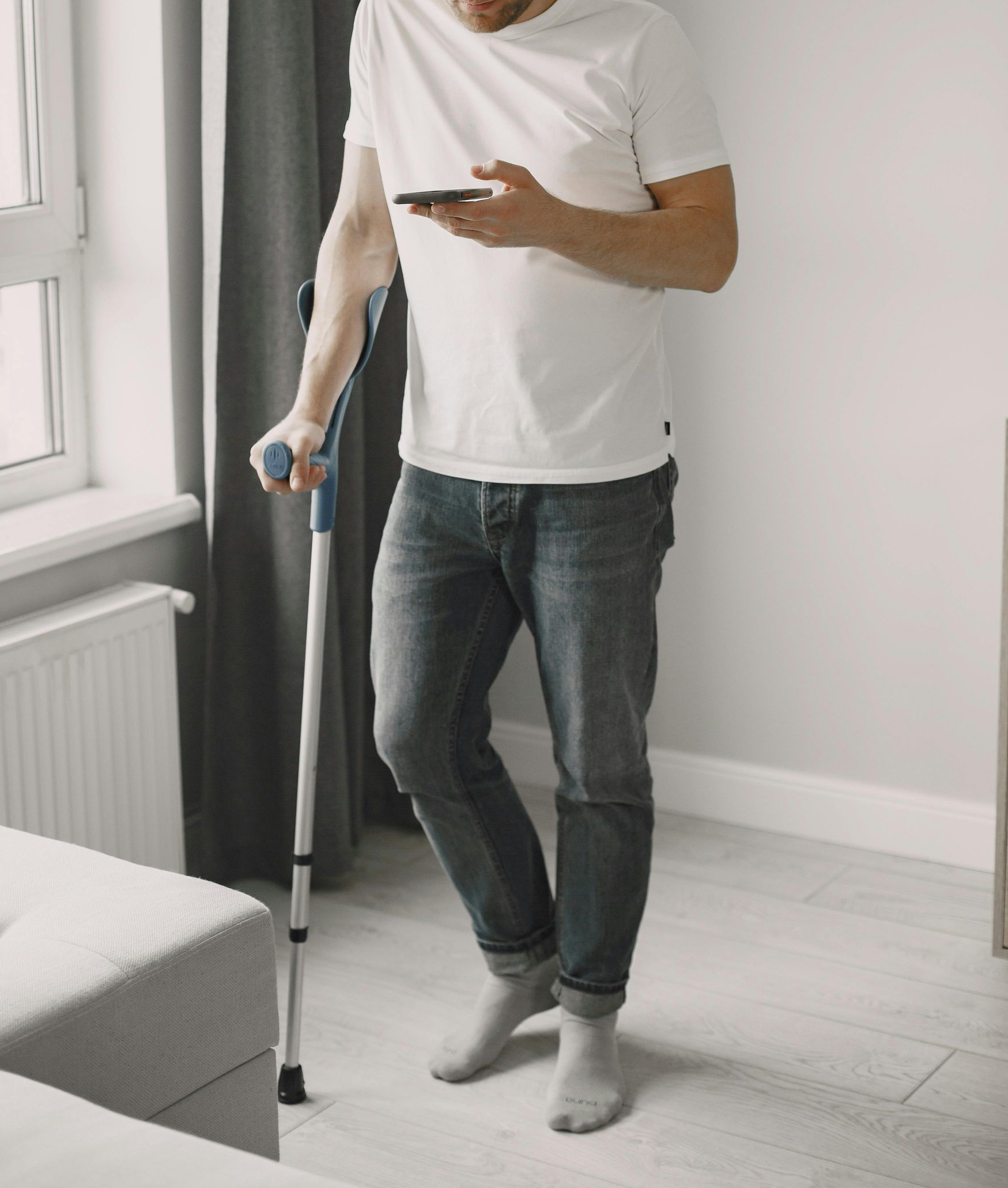
Day-case hip replacement surgery is becoming increasingly common across modern orthopaedic practice.
With advances in surgical techniques, anaesthesia and enhanced recovery pathways, selected patients may now return home on the same day as surgery.
Patients across Teesside, Stockton-on-Tees, Darlington and North East England increasingly explore day-case hip replacement as part of modern joint replacement care.
What Is Day-Case Hip Replacement?
Day-case hip replacement allows suitable patients to:
- Have surgery
- Mobilise safely
- Begin physiotherapy
- Return home on the same day
This approach forms part of enhanced recovery programmes designed to improve patient outcomes and reduce hospital stay length.
Potential Benefits of Day-Case Surgery
Potential advantages may include:
- Earlier mobilisation
- Recovery in a familiar home environment
- Reduced hospital stay
- Faster return to independence
- Improved patient comfort
- Reduced disruption to daily life
Not all patients are suitable for same-day discharge, and careful assessment is important.
Who May Be Suitable?
Suitability depends on several factors including:
- General health
- Mobility before surgery
- Home support
- Medical conditions
- Motivation and rehabilitation goals
A full specialist assessment helps determine whether day-case surgery is appropriate.
Recovery After Hip Replacement Surgery
Most patients begin walking shortly after surgery with physiotherapy support.
Recovery continues gradually over several weeks and months.
Many patients notice improvements in:
- Pain levels
- Walking ability
- Sleep quality
- Independence
- Daily function
Patients often return to activities such as walking, golf, gardening and travel following recovery.
Modern Hip Replacement Techniques
Modern surgical approaches and enhanced recovery pathways continue improving patient outcomes.
Minimally invasive techniques, multimodal pain management and early physiotherapy all contribute to faster rehabilitation for many patients.
Patients from Durham, Hartlepool, Middlesbrough and surrounding North Yorkshire areas increasingly seek modern hip replacement pathways focused on rapid recovery.
Final Thoughts
Day-case hip replacement surgery represents an important development in modern orthopaedic care.
For suitable patients across Teesside and the wider North East, same-day discharge pathways may offer a safe and effective route to improved mobility and reduced hip pain.
Can You Avoid Knee Replacement Surgery in Teesside?
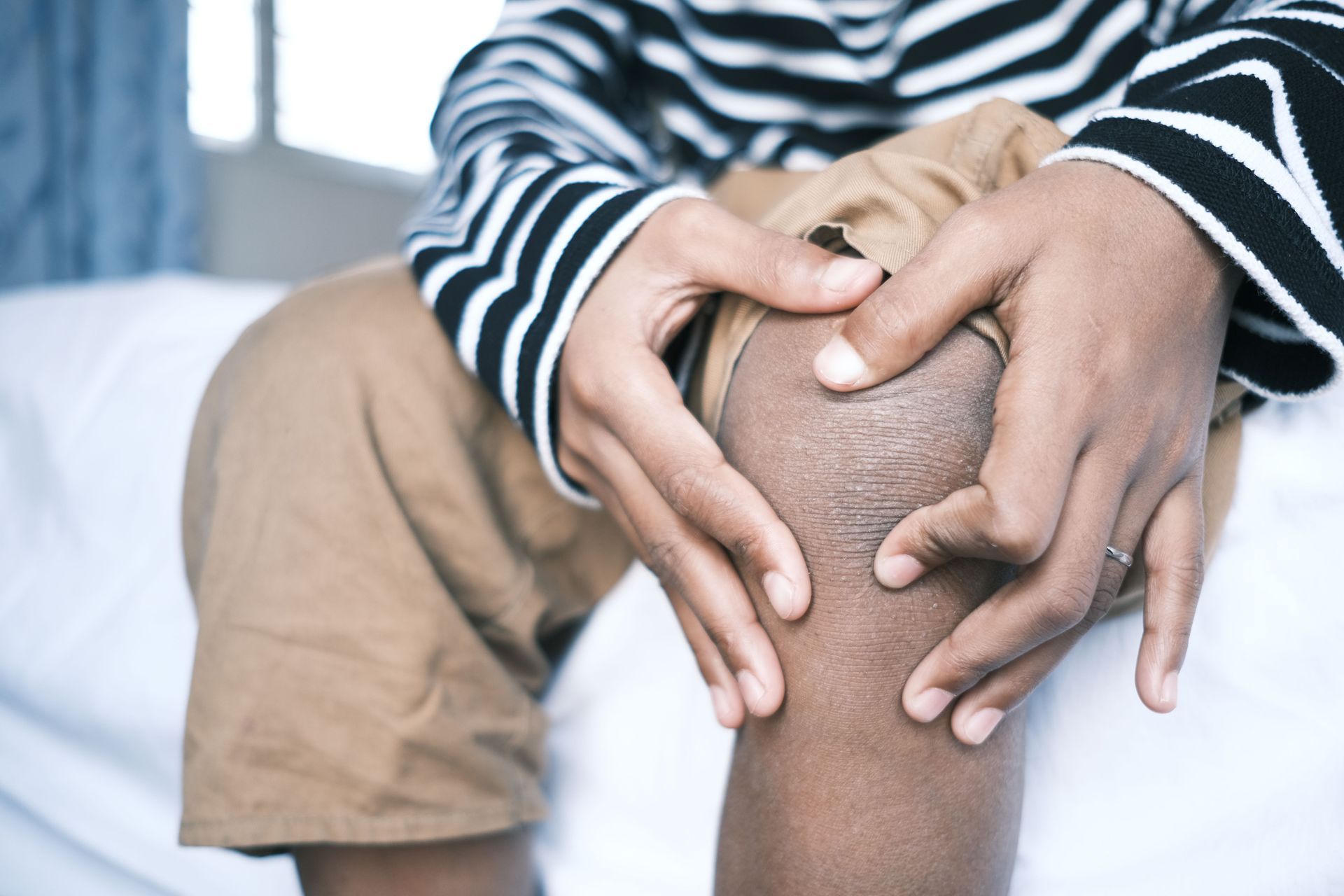
Many patients experiencing knee arthritis wonder whether knee replacement surgery can be avoided or delayed.
For patients across Teesside, early treatment and lifestyle changes may help reduce symptoms and improve mobility before surgery becomes necessary.
Knee arthritis is a common condition that can gradually affect walking, exercise, sleep and overall quality of life. Understanding the available treatment options may help patients manage symptoms more effectively.
What Causes Knee Arthritis?
Knee arthritis develops when the cartilage within the knee joint gradually wears down over time.
Common causes include:
- Osteoarthritis
- Previous knee injuries
- Age-related joint degeneration
- Excess body weight
- Inflammatory joint conditions
- Previous sports injuries
Patients often experience:
- Knee pain
- Stiffness
- Swelling
- Reduced mobility
- Difficulty climbing stairs
- Pain during walking or exercise
Non-Surgical Treatments for Knee Arthritis
Many patients can initially manage symptoms without surgery.
Common non-surgical treatment options include:
Physiotherapy
Strengthening exercises may improve muscle support around the knee joint and reduce pain.
Weight Management
Reducing excess weight can significantly decrease pressure on the knee joint.
Pain Relief Medication
Anti-inflammatory medications may help control pain and swelling for some patients.
Knee Injections
Steroid or other joint injections may provide temporary symptom relief.
Activity Modification
Low-impact activities such as cycling, swimming and walking are often easier on arthritic joints.
When Does Knee Replacement Become Necessary?
Surgery may become appropriate when:
- Pain affects everyday life
- Walking becomes difficult
- Sleep is disturbed by pain
- Mobility continues declining
- Conservative treatments no longer help
Modern knee replacement surgery can significantly improve mobility and quality of life for suitable patients.
Patients from Stockton-on-Tees, Darlington and surrounding North East areas increasingly explore robotic-assisted knee replacement options when symptoms become severe.
Modern Advances in Knee Replacement Surgery
Advances in orthopaedic surgery now allow more personalised treatment approaches.
Robotic-assisted knee replacement technology may improve surgical planning, implant positioning and alignment for selected patients.
Enhanced recovery pathways also help many patients mobilise earlier following surgery.
Final Thoughts
Although surgery may eventually become necessary for some patients, many people can successfully manage knee arthritis symptoms for years with appropriate treatment and lifestyle changes.
For patients across Teesside experiencing ongoing knee pain, early specialist assessment can help determine the most appropriate treatment pathway.
Hip Replacement Recovery Timeline in Teesside: What Patients Can Expect
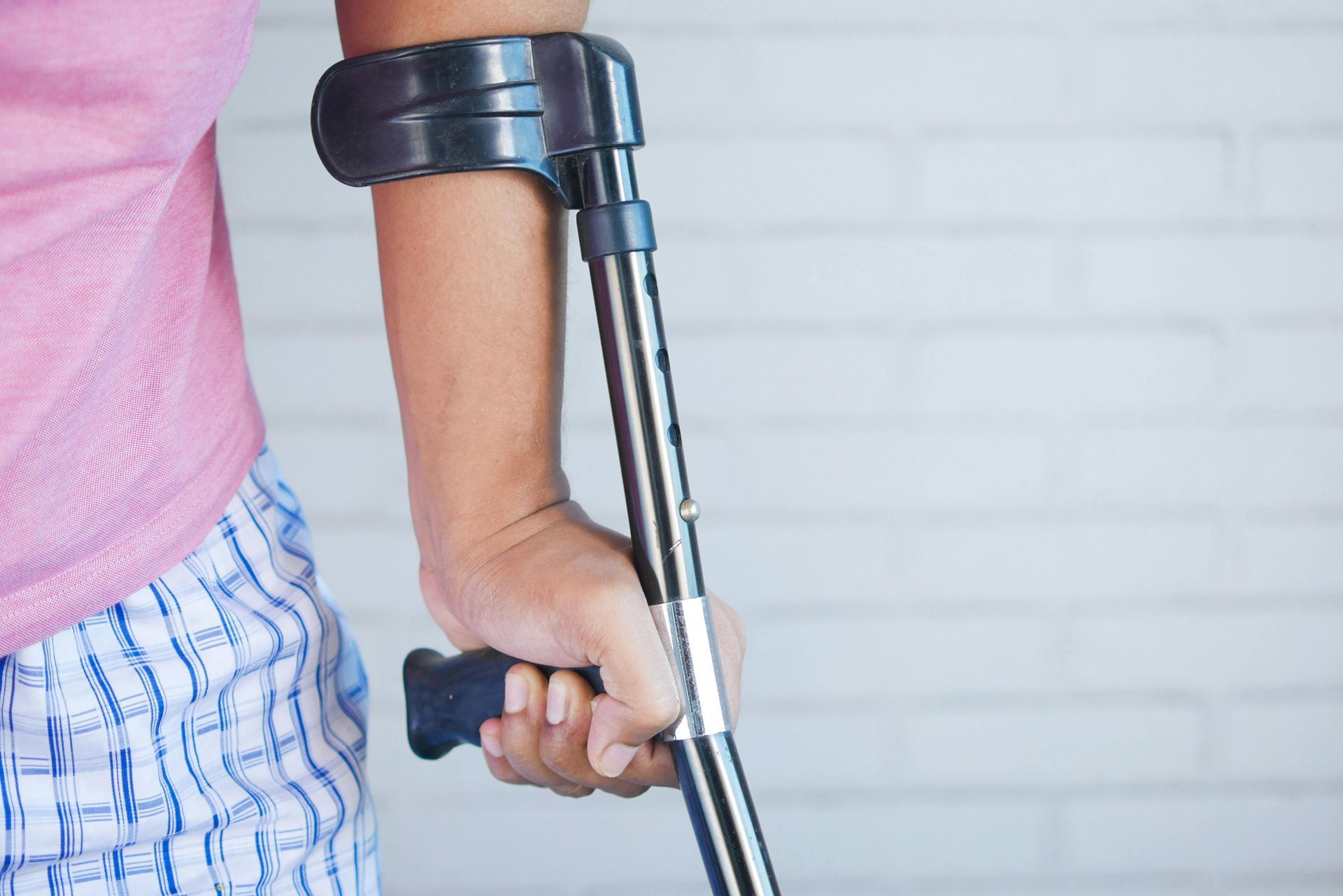
Hip replacement surgery is one of the most successful procedures performed in modern orthopaedics.
For many patients across Teesside, hip replacement surgery can significantly reduce pain, improve mobility and restore independence.
Understanding the recovery process helps patients prepare for surgery and rehabilitation more confidently.
Why Do Patients Need Hip Replacement Surgery?
Hip replacement surgery is commonly recommended for patients experiencing:
- Osteoarthritis
- Chronic hip pain
- Joint stiffness
- Difficulty walking
- Reduced mobility
- Pain affecting sleep or daily activities
When physiotherapy, medications and injections no longer provide adequate relief, surgery may become the most effective long-term treatment option.
The First Few Days After Surgery
Most patients begin walking shortly after surgery with physiotherapy support.
During the early recovery period, patients typically focus on:
- Walking safely
- Managing discomfort
- Performing exercises
- Gradually increasing mobility
Modern enhanced recovery pathways help many patients return home quickly following surgery.
Some suitable patients may even undergo day-case hip replacement surgery.
Recovery During the First 6 Weeks
Many patients notice significant improvements during the first few weeks after surgery.
Common improvements include:
- Reduced pain
- Better walking ability
- Improved sleep
- Increased independence
- Greater confidence with movement
Patients are encouraged to remain active while following physiotherapy guidance carefully.
Recovery After 3 Months
Recovery continues gradually for several months after hip replacement surgery.
Many patients are able to return to activities such as:
- Walking longer distances
- Gardening
- Golf
- Travel
- Low-impact exercise
Individual recovery times vary depending on age, overall health and pre-operative mobility.
Tips for a Smoother Recovery
Helpful recovery strategies include:
- Following physiotherapy advice
- Maintaining regular mobility
- Completing exercises consistently
- Eating a healthy diet
- Staying hydrated
- Avoiding excessive strain during early recovery
Patients from Durham, Hartlepool and North Yorkshire frequently travel to Stockton-on-Tees and Darlington for modern hip replacement care and enhanced recovery pathways.
Final Thoughts
Hip replacement surgery can dramatically improve quality of life for patients living with severe hip arthritis and chronic pain.
With modern surgical techniques and enhanced recovery programmes, many patients across Teesside are now recovering faster and returning to everyday activities sooner than ever before.
Knee Arthritis Treatment Options in Teesside: When Should You Consider Surgery?

Knee arthritis is one of the most common causes of knee pain in adults and can have a significant impact on mobility, independence and quality of life.
Many patients across Teesside, Stockton-on-Tees and Darlington initially manage symptoms successfully with non-surgical treatments. However, as arthritis progresses, daily activities can become increasingly difficult.
Understanding the available treatment options can help patients make informed decisions about their care and recognise when surgery may become appropriate.
What Is Knee Arthritis?
Knee arthritis occurs when the cartilage that cushions the knee joint gradually wears away.
Without healthy cartilage, the bones within the joint can rub together, leading to:
- Pain
- Stiffness
- Swelling
- Reduced mobility
- Difficulty walking
- Loss of function
Osteoarthritis is the most common form of knee arthritis and often develops gradually over many years.
Common Symptoms of Knee Arthritis
Patients may experience:
- Pain during walking
- Stiffness after resting
- Swelling around the knee
- Difficulty climbing stairs
- Reduced flexibility
- Clicking or grinding sensations
- Pain affecting sleep
Symptoms often worsen over time if the arthritis progresses.
Non-Surgical Treatment Options
Many patients can achieve significant symptom relief without surgery.
Physiotherapy
A structured physiotherapy programme can improve muscle strength, joint stability and mobility.
Weight Management
Even modest weight loss can reduce pressure on the knee joint and improve symptoms.
Pain Relief Medication
Anti-inflammatory medications and pain relief may help manage flare-ups.
Knee Injections
Joint injections may provide temporary relief for some patients and can help delay surgery.
Activity Modification
Low-impact activities such as swimming, cycling and walking are often recommended.
When Should You Consider Knee Replacement Surgery?
Knee replacement surgery may be considered when:
- Pain becomes severe
- Walking is significantly limited
- Daily activities become difficult
- Sleep is regularly disturbed
- Non-surgical treatments no longer provide relief
The decision to proceed with surgery is based on symptoms, quality of life and clinical assessment rather than X-ray findings alone.
Modern Advances in Knee Replacement Surgery
Orthopaedic surgery continues to evolve with improvements in technology and recovery pathways.
Modern developments include:
- Robotic-assisted knee replacement
- Enhanced recovery programmes
- Improved implant technology
- Personalised surgical planning
- Day-case joint replacement pathways for selected patients
These advances aim to improve precision, comfort and recovery.
What Recovery Looks Like
Most patients begin walking shortly after surgery with physiotherapy support.
Recovery generally involves:
- Early mobilisation
- Strengthening exercises
- Gradual return to activities
- Ongoing rehabilitation
Many patients experience substantial improvements in mobility, comfort and independence within the first few months following surgery.
Frequently Asked Questions
Can knee arthritis be cured without surgery?
Arthritis cannot be reversed, but symptoms can often be managed successfully with non-surgical treatments.
How do I know if I need a knee replacement?
If pain significantly affects your quality of life and conservative treatments are no longer effective, a specialist assessment may be appropriate.
Is robotic knee replacement available in Teesside?
Robotic-assisted knee replacement is an increasingly popular option for suitable patients and may offer greater surgical precision.
How long does knee replacement recovery take?
Most patients continue improving for several months after surgery, although many resume normal daily activities within weeks.
Final Thoughts
Knee arthritis can have a major impact on everyday life, but a wide range of treatment options are available.
For patients across Teesside, Stockton-on-Tees, Darlington, Durham and the wider North East, early assessment can help identify the most appropriate treatment pathway and improve long-term outcomes.
Whether symptoms are mild or severe, understanding your options is the first step towards maintaining mobility, reducing pain and improving quality of life.